
Kamadhenu and Nandini — Lives Saved, Trust Rebuilt
Kamadhenu and Nandini — Lives Saved, Trust Rebuilt
When Mohanji visited the Mohanji Centre of Benevolence for the first time, his attention was not on expansion or planning. It was on life—on what the land needed, and on which lives could be protected.
He spoke about cows not as animals to be owned, but as beings central to balance, nourishment, and harmony. In many ancient cultures, cows were protected because they sustained life without violence—giving nourishment while asking for nothing in return. Protecting them was never symbolic; it was practical, ecological, and ethical.
Around that time, two lives were identified.
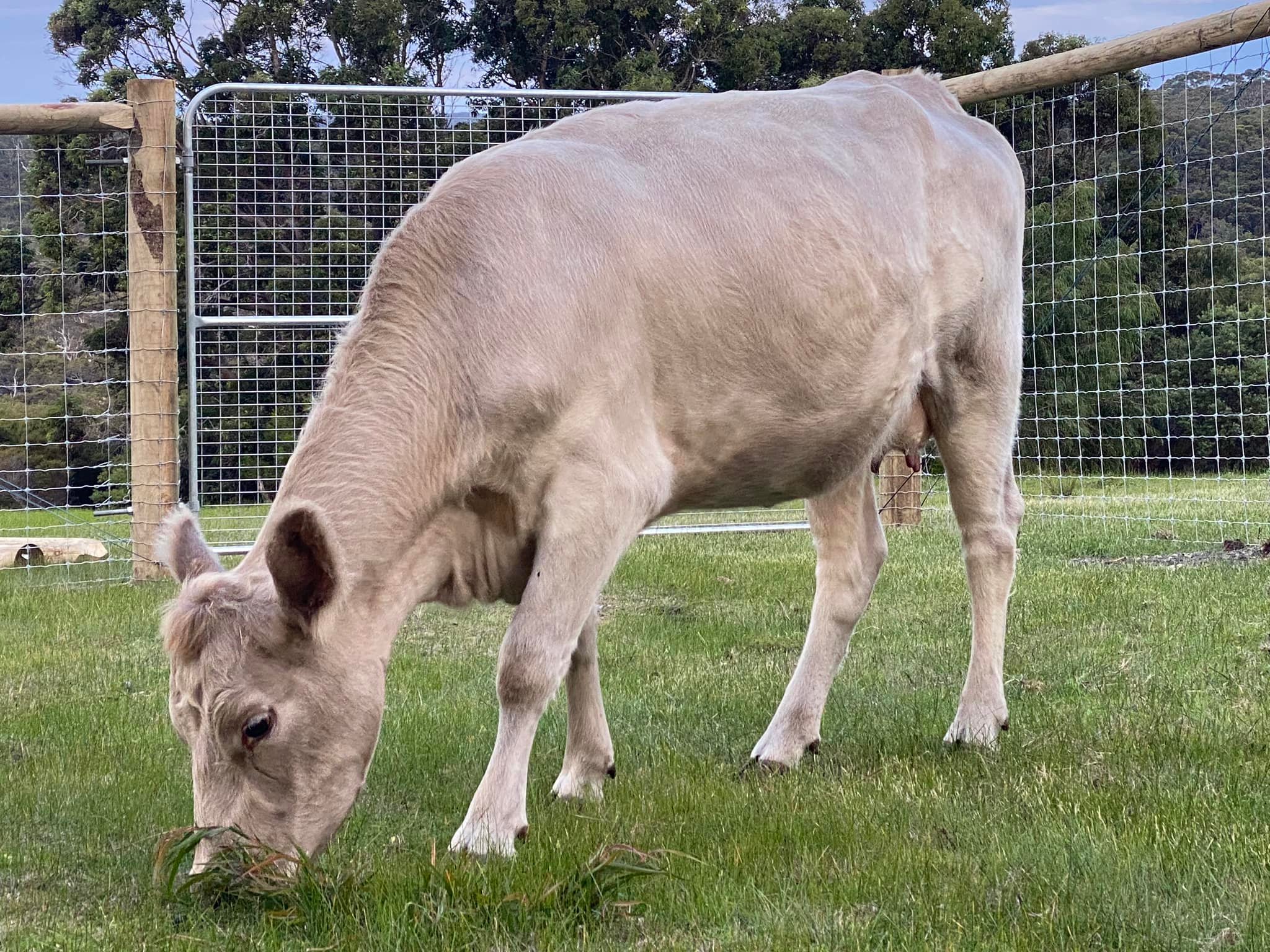
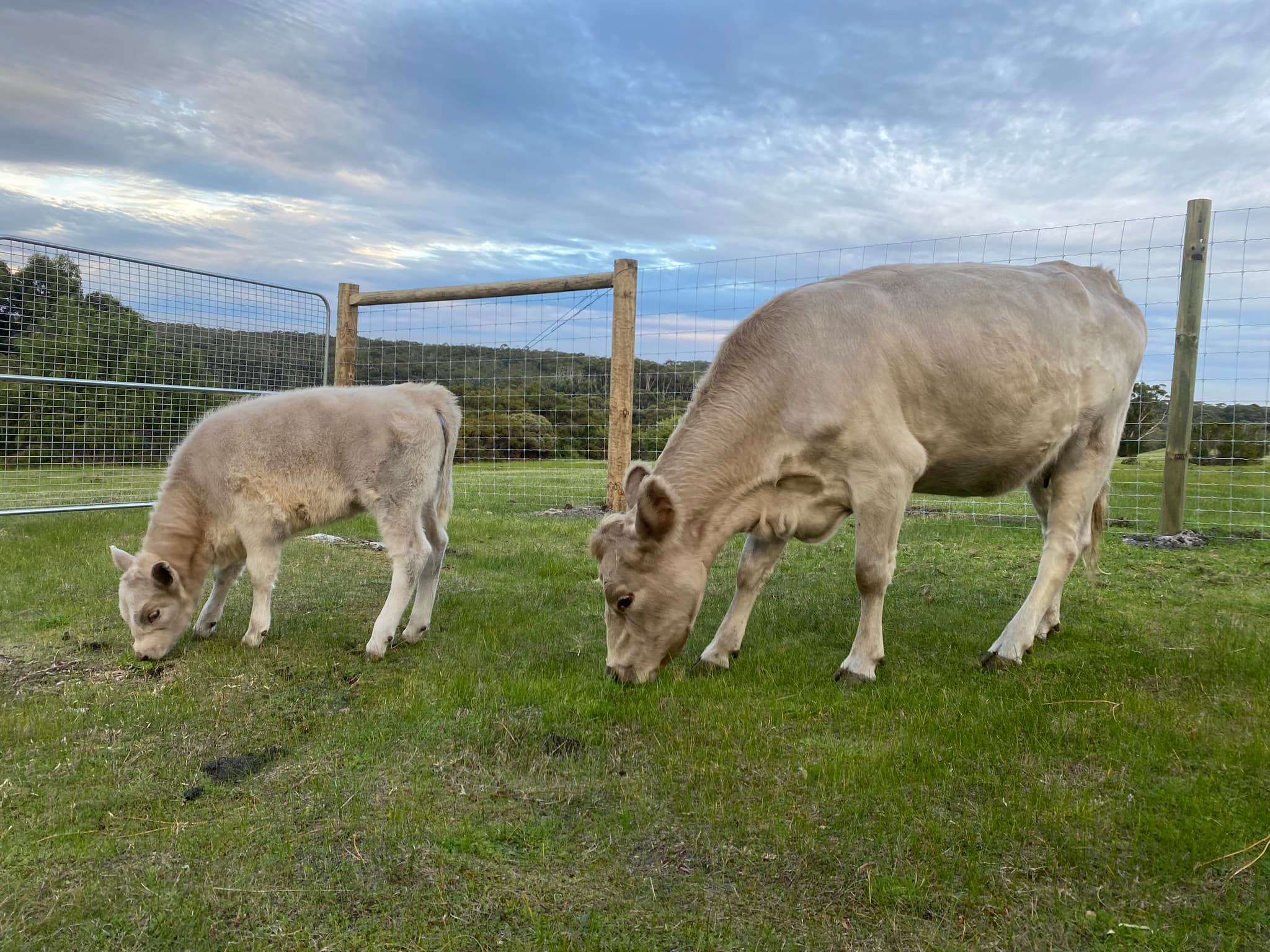
A golden cow and her calf—later named Kamadhenu and Nandini—were facing certain slaughter. There was no ambiguity. If they were not removed immediately, their fate was sealed.
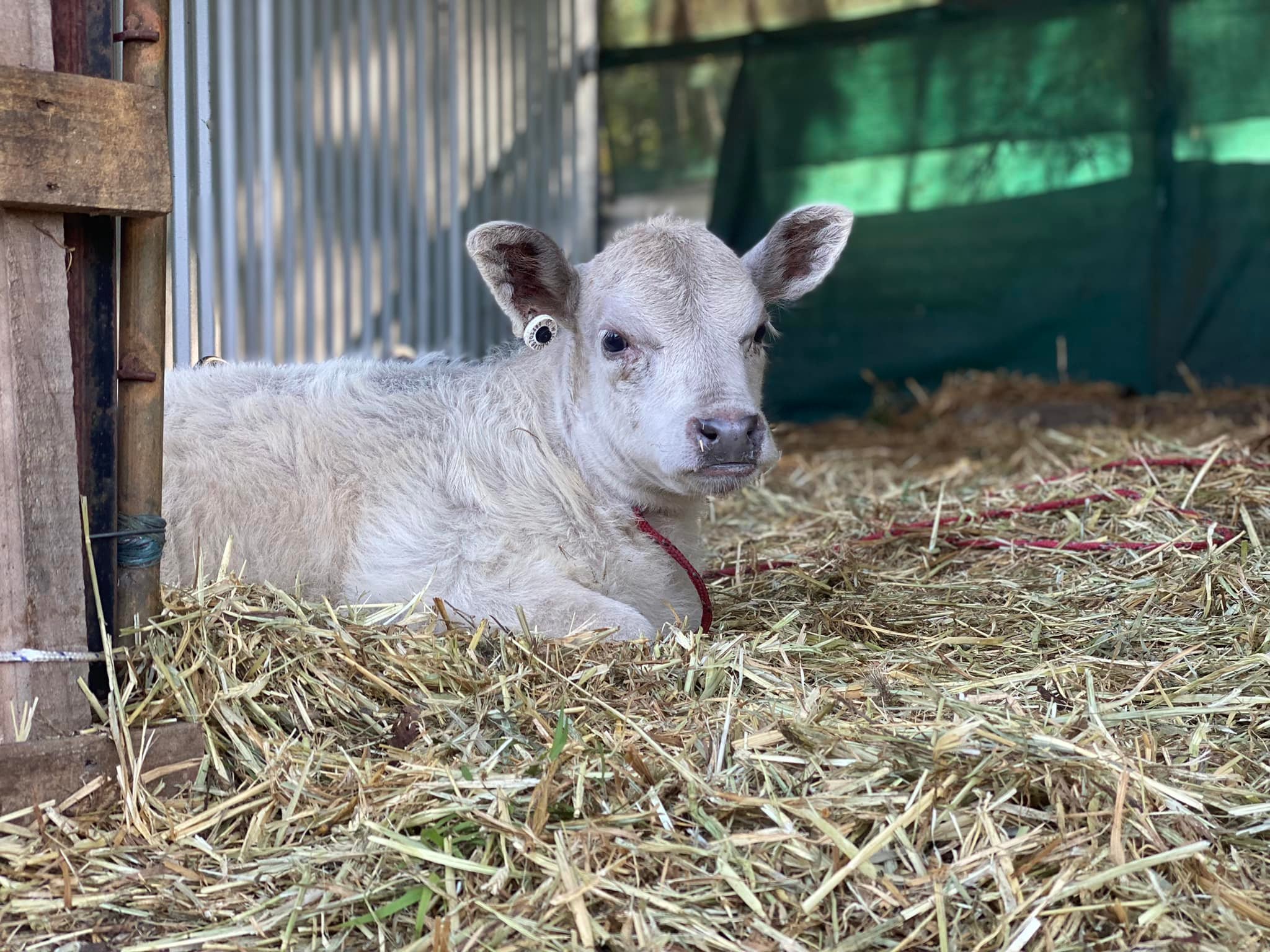
The decision was simple and urgent: these lives had to be saved.
Kamadhenu and Nandini were rescued together—mother and calf kept intact—and brought to the land so that not only their lives could continue, but the bond of motherhood could remain unbroken. Saving one without the other was never an option.
When they arrived, there was joy. But it was short-lived.
It quickly became evident that both Kamadhenu and Nandini were deeply traumatised. Their fear of humans was overwhelming. They did not associate people with safety. Every approach triggered alarm. For those familiar with cows roaming freely in places like India, this fear was painful to witness.
They were placed in a dedicated shelter to allow them to settle. But the very next morning, driven by fear, they escaped.
During this time, Mohanji could feel her distress profoundly. Her awareness was singular—protect the child. The intensity of that fear was such that Mohanji himself struggled to sleep, sensing her anguish continuously.
Eventually, Nandini was found first. Being smaller, she could be secured more easily. It was hoped that Kamadhenu’s maternal instinct would bring her back. Instead, something heartbreaking occurred. Kamadhenu withdrew. It was as though she had accepted what she believed to be inevitable—that her calf had been taken, just as she may have experienced before.
Mother and child were reunited only after playing the sound of a calf calling out. Guided by that familiar voice, Kamadhenu returned. This reunion happened just days before Mohanji and the team were due to leave Australia. It was essential that their safety was secured before that departure.
Even then, the fear did not disappear.
For months, Kamadhenu and Nandini remained wary. Human presence was endured, not welcomed. Care continued quietly—food, space, consistency, and above all, no separation. No force. No demands.
Slowly, something changed.
Today, Kamadhenu and Nandini are transformed. They are calm. They allow touch. They seek connection. They rest without vigilance. The fear born of exploitation and imminent death has been replaced by experience of safety.
Their story is not one of acquisition. It is a story of lives pulled back from the edge, of motherhood preserved, and of trust rebuilt through patience.
At the Mohanji Centre of Benevolence, Australia, Kamadhenu and Nandini now live as part of a growing animal sanctuary—where cows are not commodities, but beings whose lives matter.
They were saved from slaughter.
They were given time.
And they stayed long enough to learn that here, life is protected.
The soul is the SAME in all beings
Mohanji